

Changing a cleaning contractor is almost always perceived as a secondary task. Technically, it’s just a different team, different people, and a different schedule. In practice, everything is more complicated. Any mistake during the transition period quickly turns into complaints, employee dissatisfaction, and urgent corrections. That is why the change of contractor cannot be considered as a household process within commercial cleaning operations. This is a full-fledged service transition that requires planning, control, and responsibility.
The main goal of such a transition is simple and complex at the same time: to preserve operational continuity. The workspace must remain clean, safe, and predictable, even if changes occur within the system. This can only be achieved with a structured approach.
Why Transitions Often Don’t Go According To Plan

Most of the problems are not caused by the quality of the cleaning itself. The reasons almost always lie deeper. There is no site induction, scope definition is not fixed, access control is violated. As a result, the new team is forced to figure things out on the go. This is the riskiest scenario.
Hard contract breaks without an overlap period are especially dangerous. When one team leaves and the other arrives without overlap, the likelihood of missed tasks increases dramatically. In the first 1-2 weeks, complaints appear, issue resolution time increases, and process management becomes reactive.
The situation is aggravated by the lack of an understandable escalation process. No one knows who is responsible for the problem and how quickly it should be solved. As a result, not only the quality suffers, but also the trust of the users of the space.
Transition Without Downtime: How Does Phased Transition Work?

A reliable approach is built around a phased transition. This is a phased change of contractor with a short overlap period. This format allows you to maintain service continuity and reduce operational risks.
The key principle is zero downtime. Bathrooms, waste areas, and entrance areas cannot be “paused.” Therefore, the transition is most often organized in the after-hours operations format, when changes occur outside of business hours.
The basic elements must be ready before the start: the cleaning transition plan, the confirmed service level agreement for the transition period, access rights and checklists. It is equally important to identify the task owners in advance. When the roles are distributed, management becomes calm and transparent.
Quality Control And Metrics In The First Weeks

The first 1-2 weeks are the most sensitive stage. It is during this period that the actual quality of the service is formed. It is important here not to complicate the system, but to use clear performance metrics.
In practice, simple indicators work. The number of complaints per week. Incident closure time in hours. The results of spot checks. The percentage of missed tasks. These data provide a real picture and allow you to adjust the process in time.
Quality control is based on the inspection checklist and proof-based reporting. Photos, notes, and recordings of completed work create transparency. This reduces subjectivity and simplifies communication between the parties.
User Experience And Risk Management
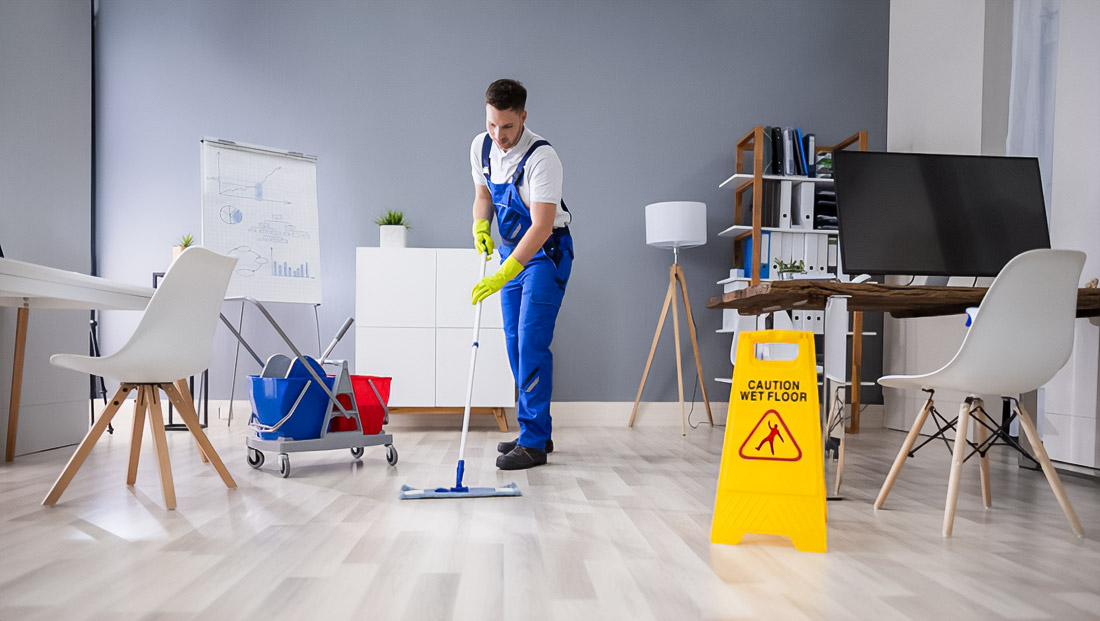
A well-organized transition is almost invisible. Employees don’t discuss cleaning because there’s no reason to. This is the indicator of a successful silent changeover. One contact person, clear boundaries of responsibility and quick response to problems are enough for this. If users of the space are forced to remind them of basic things, then the system has failed.
Sustainability is achieved through risk management, regular monitoring and review of agreements. The transition does not end on the day of the start. It ends when the process becomes stable, manageable, and predictable.
Changing a cleaning contractor is not a service replacement, but a managed operational process. A clear service transition, a short overlap period, a clear scope definition, and clear metrics allow you to maintain operational continuity. It is this approach that makes the transition calm, and the result is sustainable.


